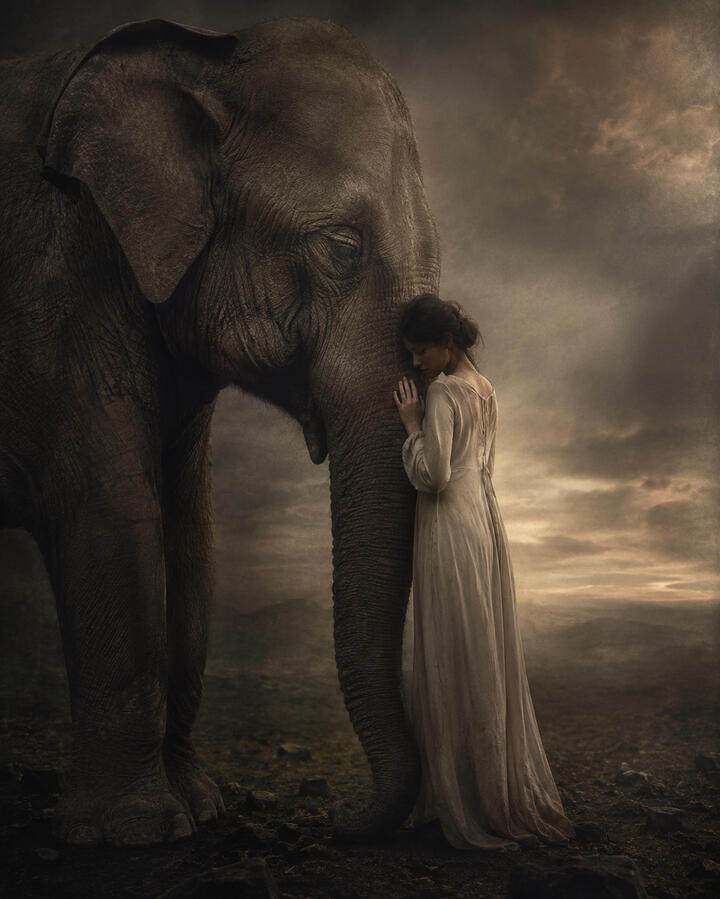


Fragment & Animal Archetypes
The Intelligence Within
by Jura Swan
What if the parts of us we most want to change are not evidence of what is wrong with us — but evidence of what once tried to protect us?
Again and again, beneath anxiety, withdrawal, hypervigilance, attachment, distrust, sensitivity, control, or the need to disappear, I encountered the same deeper truth. What appears in adult life as a difficulty may once have been an extraordinarily intelligent response to something the person could not yet change, leave, understand, or survive alone. A fragment does not begin as pathology. It begins as an attempt to preserve something essential.Connection. Safety. Bodily sovereignty. Sensitivity. Belonging. The ability to discern whom to trust. Sometimes simply the right to remain present in the world without becoming overwhelmed by it.This is where the animals entered my work. The fragments already carried something far more important than symbolism: they carried intention.
Not as spirit animals. Not as totems, diagnoses, or fixed universal meanings. And not as decorative metaphors placed beside human suffering.I began to see them as a way of making protective intelligence visible.
Before the more complex patterns of adult life, there are deeper questions:Am I safe?
Can I remain connected?
Whom can I trust?
Is it safe to be seen?
Can I trust what I feel?
Does my body belong to me?
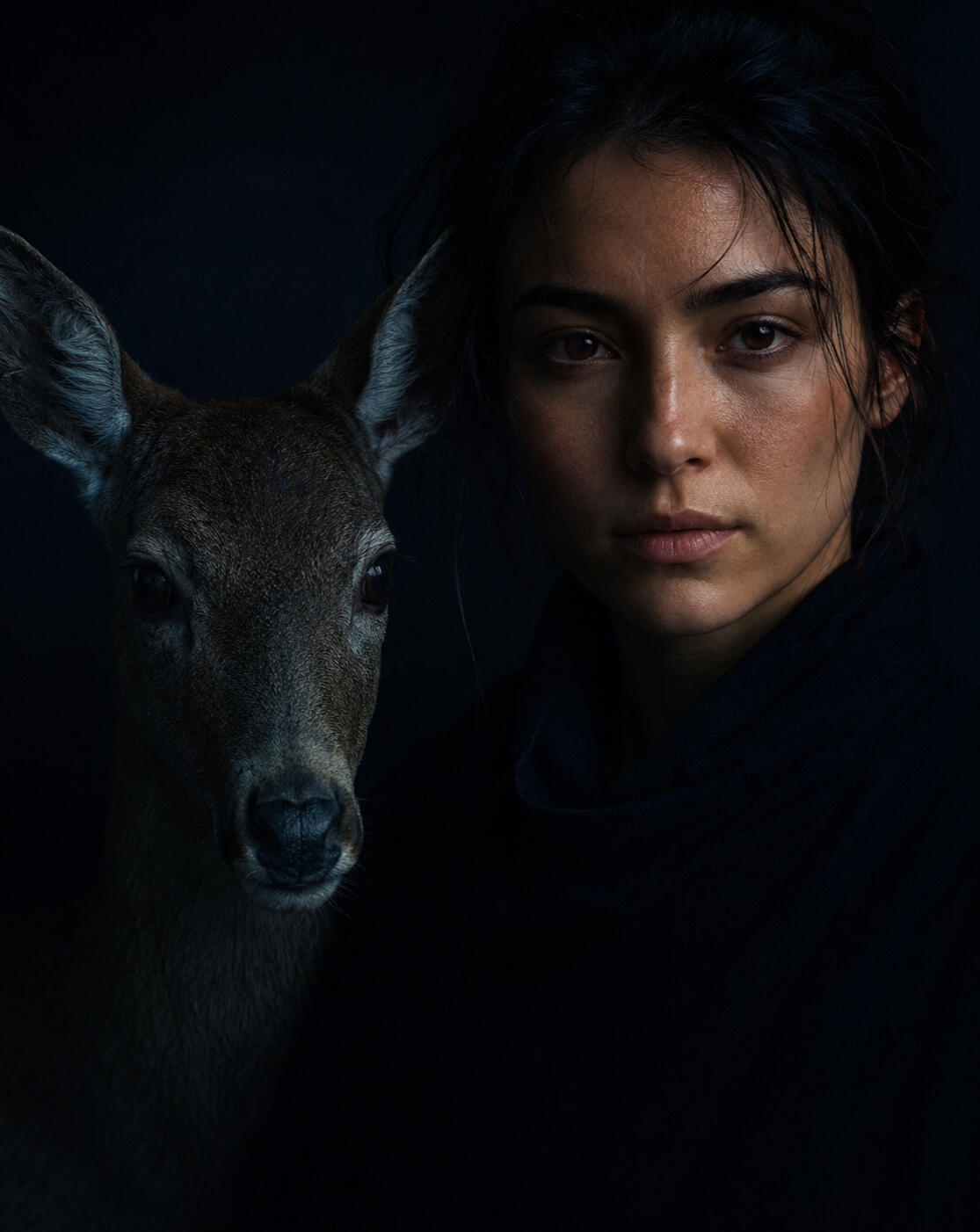
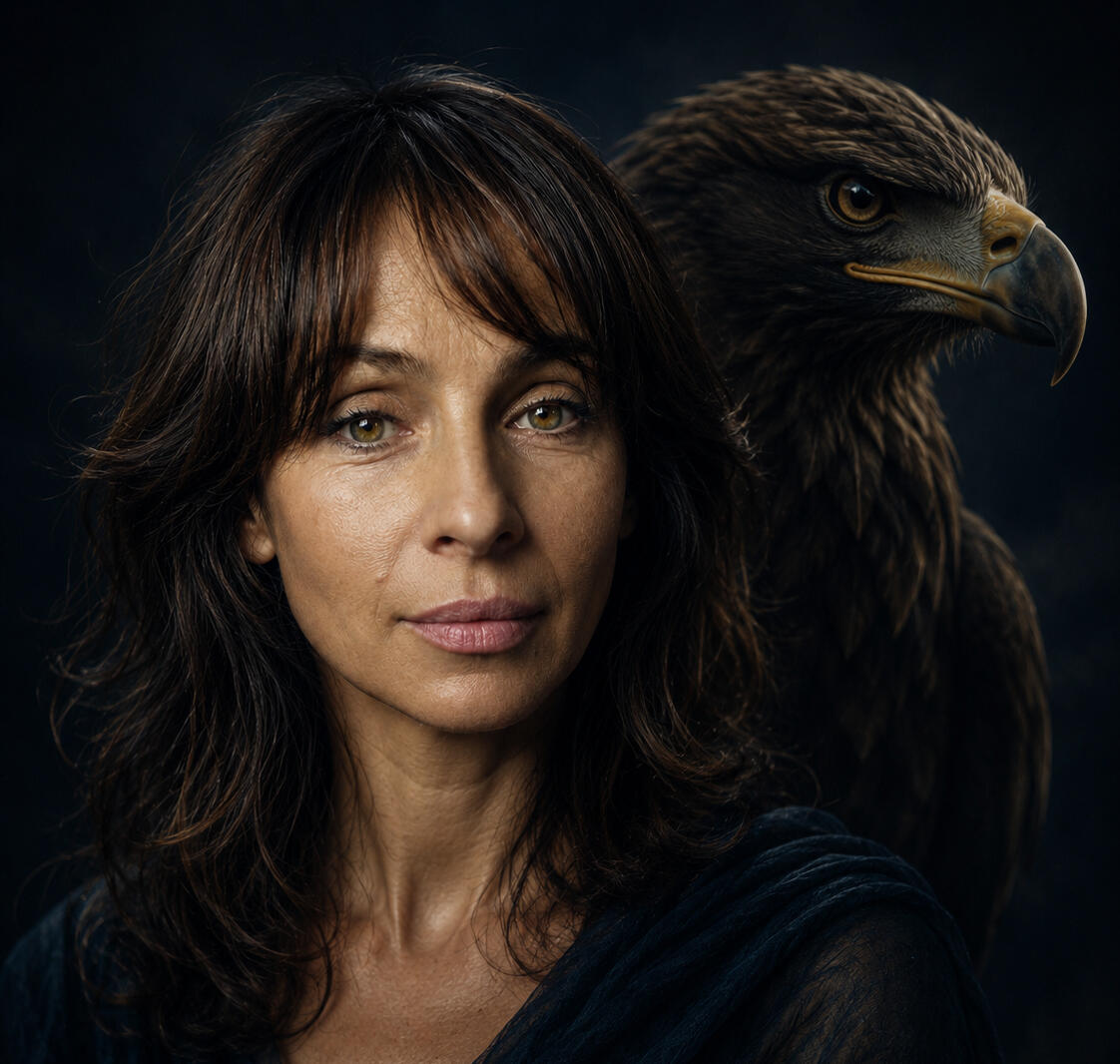
In these portraits the human face carries the lived adaptation.
The animal carries the older intelligence beneath it.
And somewhere between them lies the possibility of integration.The animal therefore does not represent who we should become after healing.
It represents something that was already alive inside the protection.
The Animal Within the Fragment
Archetypes of Protective Intelligence
Animals inhabit their protective intelligence without explaining it. A horse can belong to the herd without surrendering its autonomy. A turtle carries a boundary with it. A dog observes before approaching. A cat can remain present without making itself visible. A snake does not negotiate ownership of its body. An eagle chooses distance, perspective, approach and departure.

All they are forms of intelligence.And this opened another way of looking at the human fragmentations.
Perhaps the question is not only:What happened to me?
Or even:
Why do I still respond this way?There is another question beneath both:What was this part of me trying to preserve?
When we ask that question, the fragment begins to change meaning.
Attachment may reveal an ancient intelligence organised around keeping connection alive. Hypervigilance may contain an extraordinary capacity to perceive. Distrust may have protected discernment. Invisibility may have preserved the right to exist without intrusion. Bodily defensiveness may have been guarding a boundary that could not yet be spoken.
The Animal Archetype represents this layer
before the protective strategy became a constrain.
This is the reason I introduce these archetypes into the Jura Swan Fragment series.
I want to look beyond the visible behaviour of the fragment and toward the intelligence from which it arose. To meet these parts of ourselves not only through the history of what hurt them, but through what they refused to let disappear.And when we finally recognise what it has been protecting, we may no longer need to fight the fragment in order to become whole.

Core Fragments
Attachment × The Horse
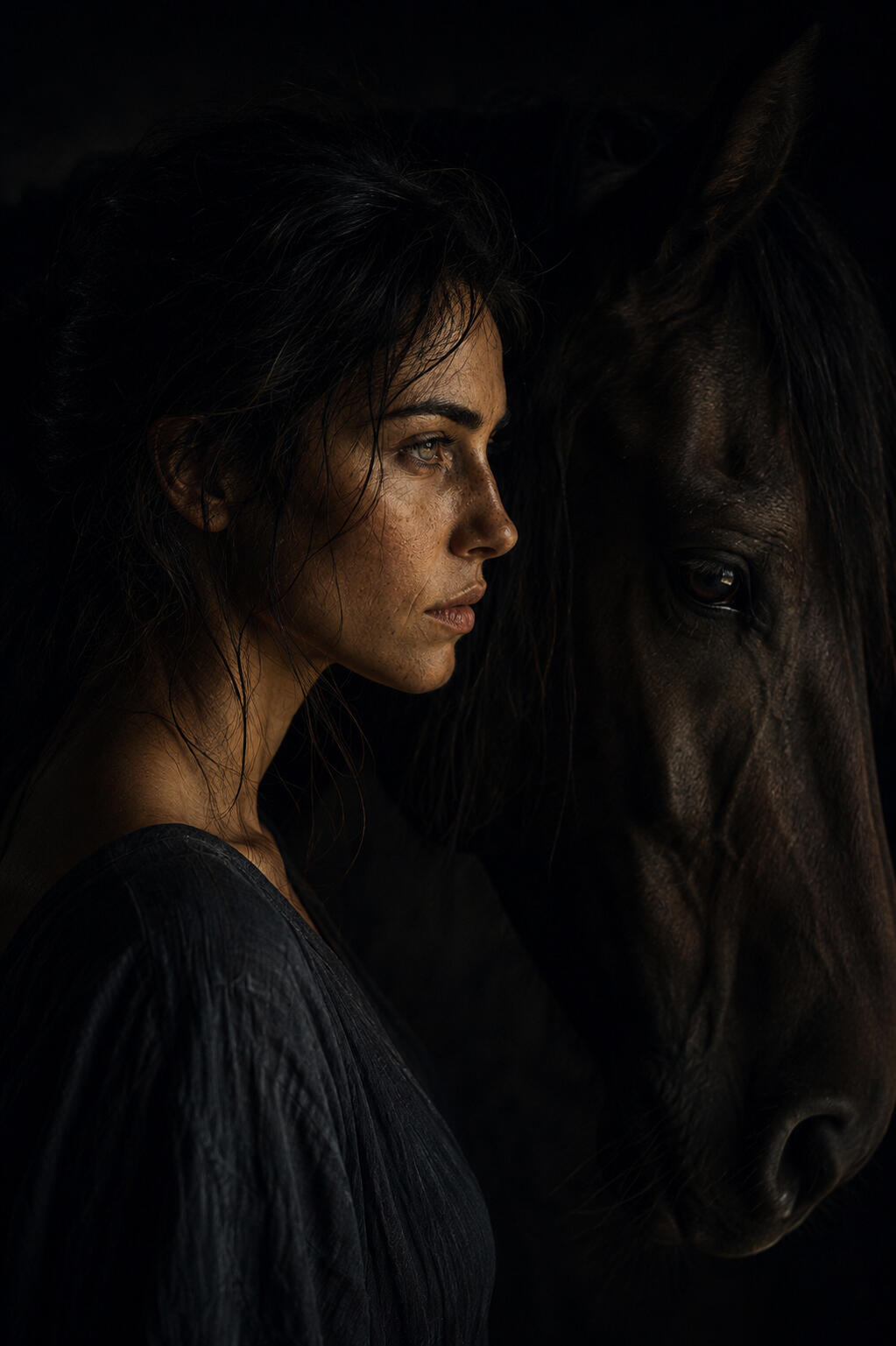
The integrated fragment no longer has to say:Stay with me so I can remain whole.It can begin to know:I can remain whole while loving you.
I belong, even when I am left alone.This is the deeper movement of Attachment:from connection as a condition of survival toward connection between two autonomous beings.
Belonging Without Losing YourselfAttachment does not begin with being “too attached.”
At its deepest level, it begins with something far more fundamental: the need to remain inside the living circle of connection.For a young nervous system, another person's presence can mean much more than companionship. It may mean orientation, regulation, safety, and the quiet confirmation that I still belong here. When connection becomes uncertain, the body learns to notice its smallest movements — a change in voice, a silence that lasts too long, emotional distance, the almost imperceptible feeling that someone has begun to leave.What later appears as difficulty letting go, anxiety around separation, over-adaptation, or the need to preserve a relationship at personal cost may have begun as an intelligent attempt to protect something essential:Stay connected. Do not fall outside the living world.
The Horse brings another possibility into this story.
A horse is profoundly relational, yet relationship does not require it to surrender its own body. It can belong to the herd and remain entirely itself. It approaches. It moves away. It returns. Distance changes the shape of connection without erasing belonging.This is why the Horse does not teach Attachment how to detach.
It remembers something more important:Connection does not require self-abandonment.
Safety × Turtle
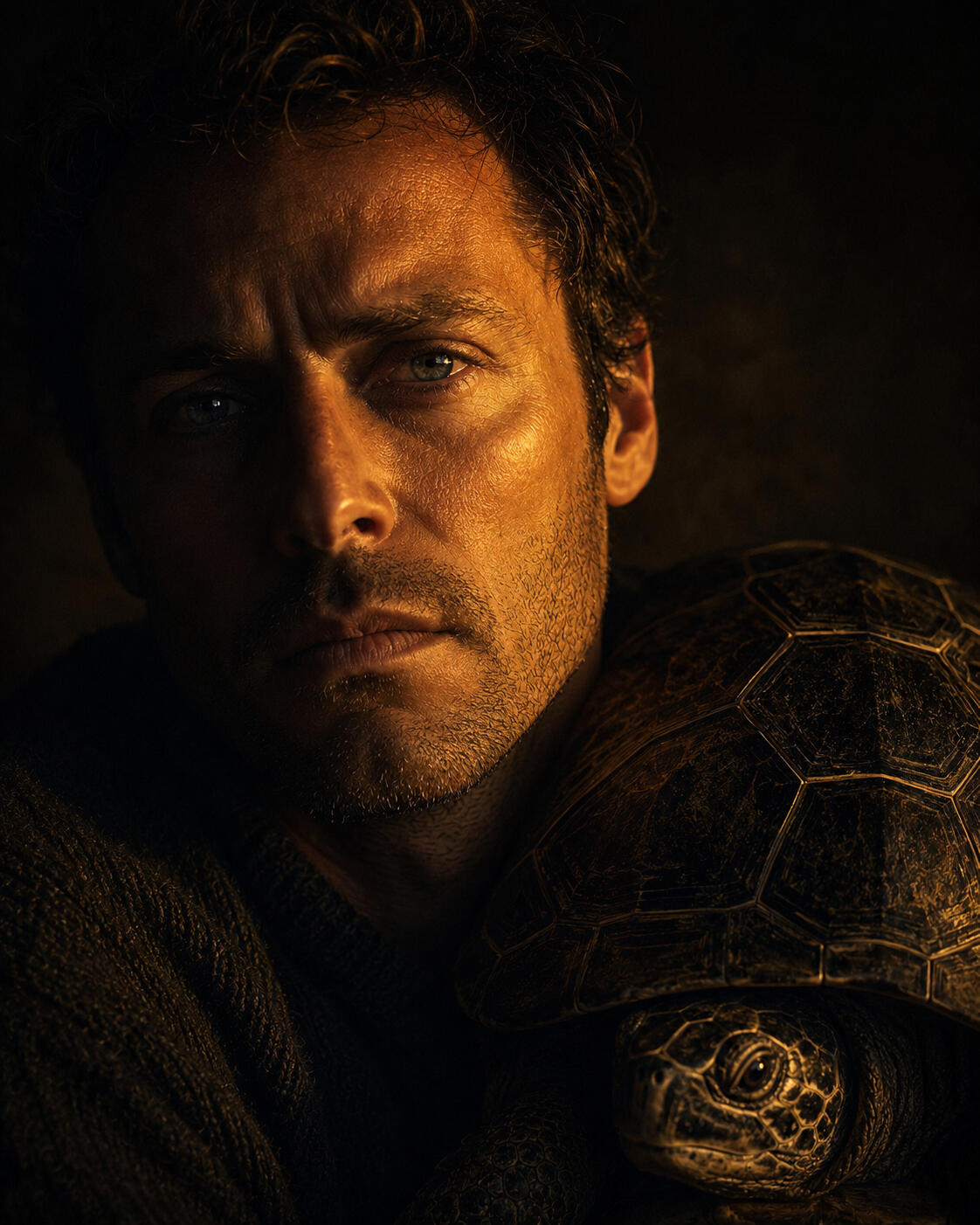
The task is not to force the turtle out of its shell. Nor is it to make a person sufficiently fearless that boundaries are no longer needed.Integration begins when the whole external world no longer has to become safe before safety can be felt internally.Safety moves from environment to inner territory. The boundary remains. Caution remains. The capacity to recognise danger remains.What changes is that safety is no longer entirely entrusted to the world.
Safety can live within me.Safety can appear in adult life as caution, control, tension, preparation, or the constant scanning of what might happen next.
But beneath these behaviours there may be a much older question:Is there anywhere the world cannot reach me without my permission?When the early environment is unpredictable, the body cannot simply decide to relax. It learns to monitor. It notices changes in atmosphere, proximity, tone, movement. It tries to determine whether safety still exists.
Eventually, control may become an attempt to create externally what could not yet be securely held within.
The Turtle
The turtle's shell is easily misunderstood. It is not simply a place to hide.
It is a boundary that travels with the body.
Its protective intelligence says:Carry somewhere inside you that the world cannot enter without permission.
This changes the meaning of integration.
Invisible Child × Shadow Cat

Integration does not turn the Invisible Child into the loudest person in the room.It restores choice.I no longer have to disappear in order to remain safe.
I may choose when, where and by whom I am seen.The integrated Invisible Child does not lose silence.It becomes free to be visible.
I choose when and by whom I am seen.The deepest longing of the Invisible Child is not necessarily to be seen.
Sometimes its original wisdom was exactly the opposite:Remain unseen until being seen becomes safe.A child can learn very early that visibility has consequences. Being noticed may bring criticism, expectation, shame, conflict, intrusion, or the experience of becoming an object inside another person's emotional world.Under those conditions, becoming less visible can be extraordinarily intelligent.
Invisibility is not absence. It is a way of remaining present without exposing what cannot yet be protected.
The Shadow Cat
A cat can inhabit a room without claiming it. It can watch without revealing itself.
It can remain completely present in the shadows and decide for itself when to emerge.
This is why the Shadow Cat does not tell the Invisible Child:
It is time to make everyone see you.Its intelligence is subtler:
You may choose your visibility.
Trust × Dog
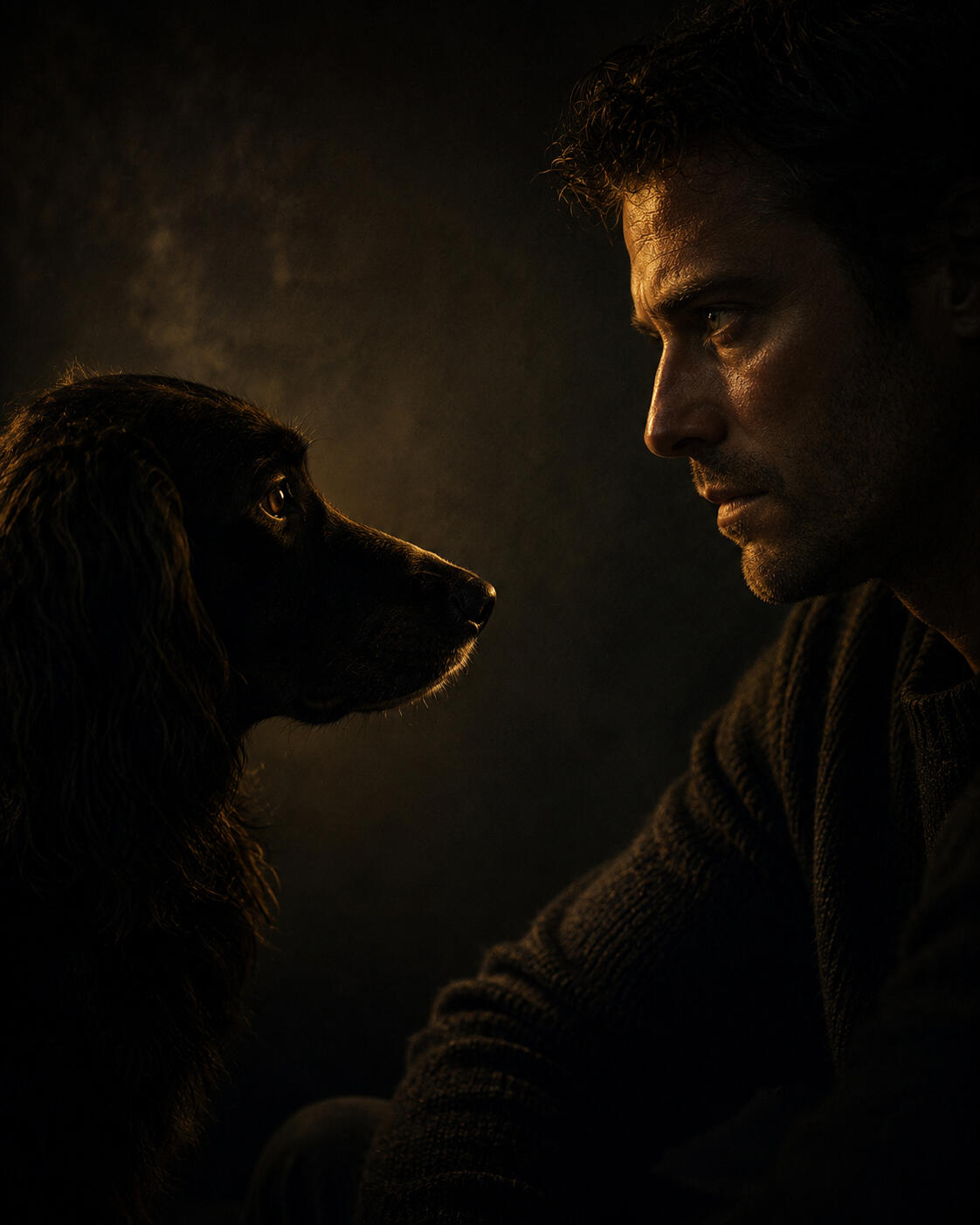
Suspicion can gradually become discernment.The fragment no longer needs to keep everyone outside because the Adult Self can decide whom to invite closer.Trust becomes neither blindness nor surrender.It becomes conscious permission for proximity.
The Intelligence of DiscernmentTrust is often understood through its apparent absence.
We notice suspicion, distance, hesitation, the difficulty of letting another person close — and conclude that something has gone wrong with the capacity to trust.But distrust can contain a highly developed relational intelligence.
When closeness has not always meant safety, the psyche learns to read what words do not reveal. A slight change in expression. A shift in voice. Silence. Tension in a body. The contradiction between what someone says and what their presence communicates.The fragment learns:Know who is safe before you give yourself to them.
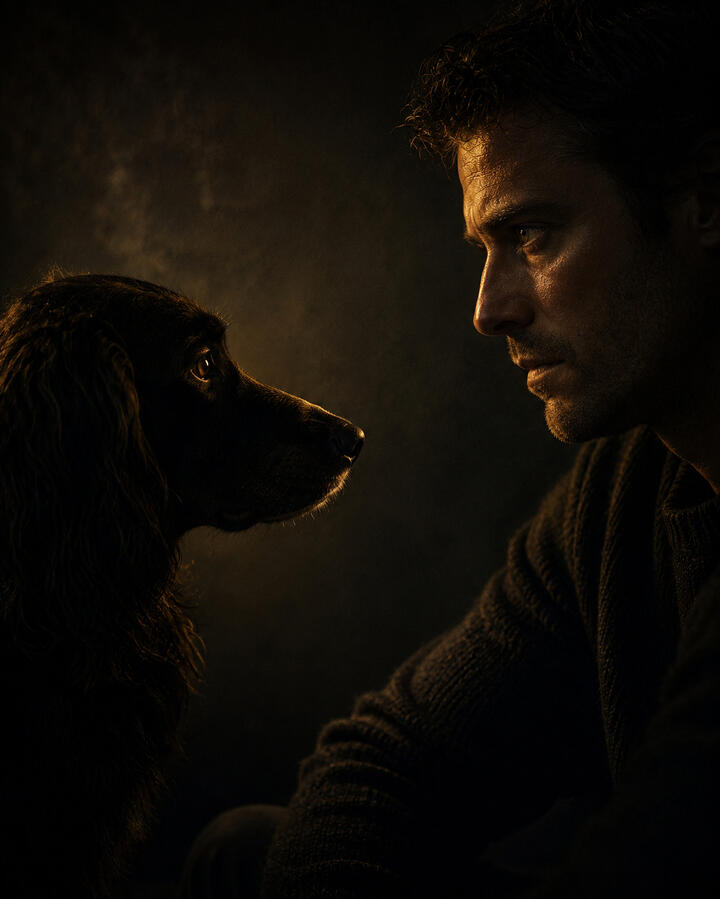
The Dog here is not an archetype of unconditional loyalty.
Its deeper intelligence lies in what happens before trust.
It watches. It reads the body.
It waits. It assesses.
And only then does it decide how close to come.Trust, seen through this archetype, is no longer the opposite of caution. Caution can become the guardian at the threshold of genuine trust.Integration therefore does not mean:
Everyone deserves my trust.It means:
I can remain open without abandoning discernment.
Body Autonomy × Snake
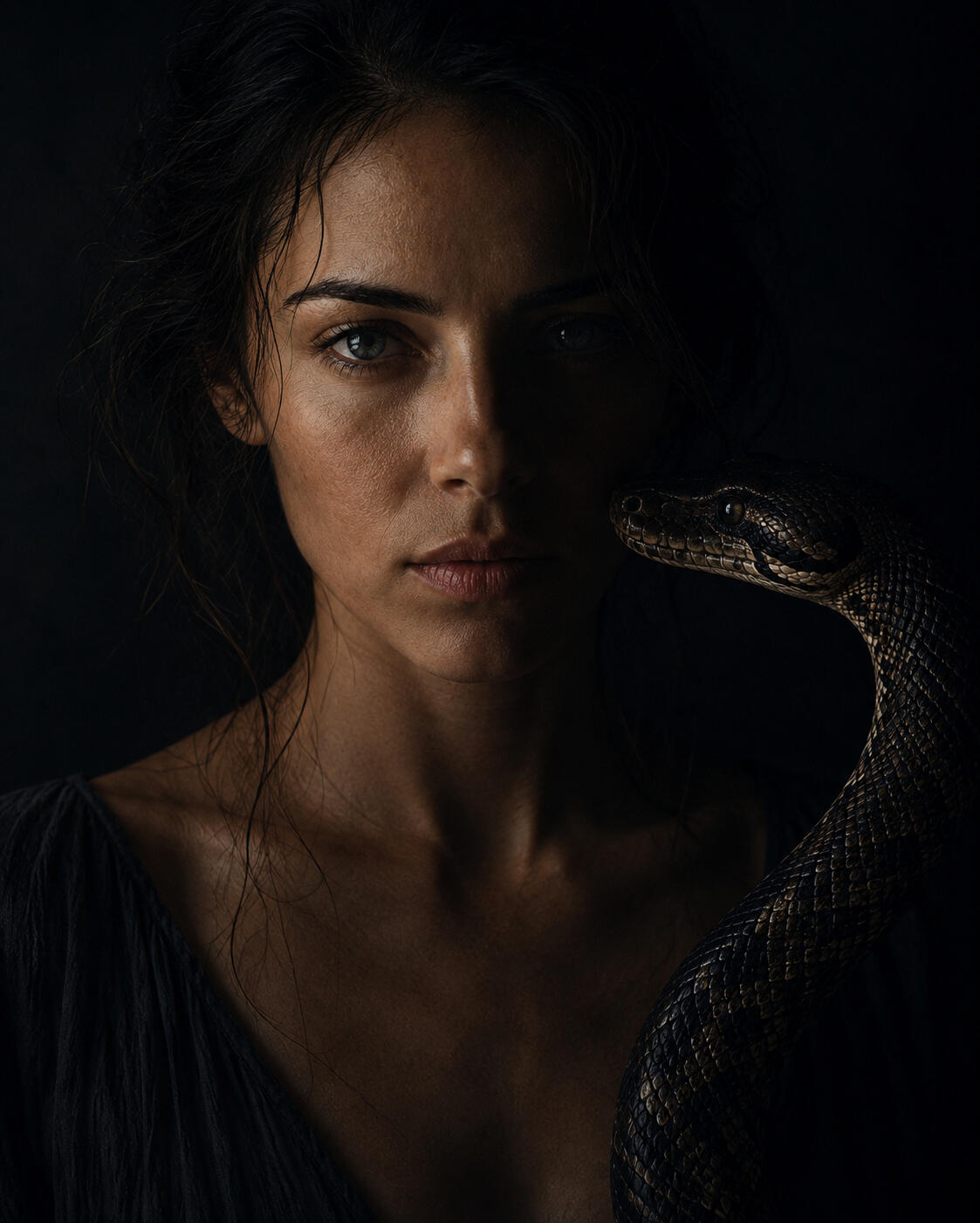
Integration therefore is not learning to tolerate what once felt intolerable.
It is the return to the body as one's own territory.A place from which proximity can be chosen rather than endured.
A place where no does not require justification — and where yes becomes meaningful precisely because no is genuinely possible.The body gradually ceases to be the place where another person's will is anticipated.It becomes the place where one's own choice lives again.
The Body as One's Own TerritoryBody Autonomy reaches one of the earliest and most fundamental human boundaries:Where do I end, and where does another begin?When that boundary has not been respected — physically, emotionally, or through another person's assumed right to determine proximity, touch, space or choice — the body may develop many forms of protection.It may freeze. Withdraw. Disconnect from sensation.
Endure contact and recognise only afterwards that it was unwanted.
Or it may learn to experience proximity itself as the beginning of intrusion.These responses can appear very different from one another, but beneath them lies the same question:Does my body truly belong to me?
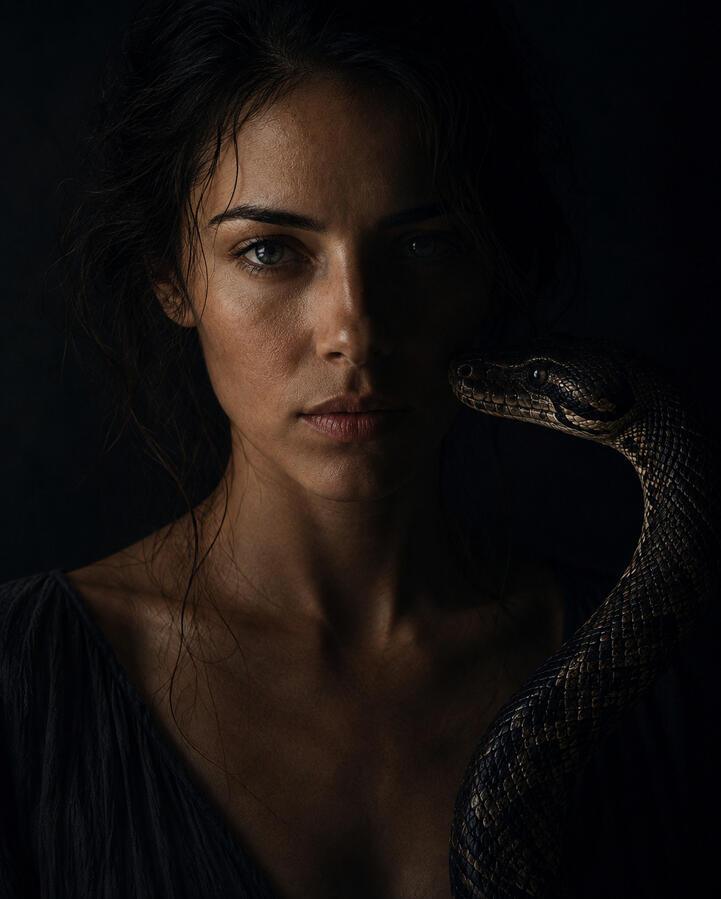
The Snake is often associated with transformation, renewal or the shedding of skin.
Here, that is not its primary meaning.
Its deeper archetypal intelligence is simpler and more radical:Its body belongs entirely to itself.The snake senses approach through its whole body. It does not need to justify withdrawal. It can remain still. Move away. Warn. Defend distance.Its protective intelligence says:My body is mine. I decide what may come close.
The Story Continues Beyond the Image
An image can let us recognise something before we have words for it.
My books begin where that recognition asks to go deeper — into emotional memory, fragmentation, inherited patterns, and the protective intelligence that has quietly accompanied us through our lives.
Not to ask what is wrong with us.
But to listen more closely to what within us has been trying to remain whole.
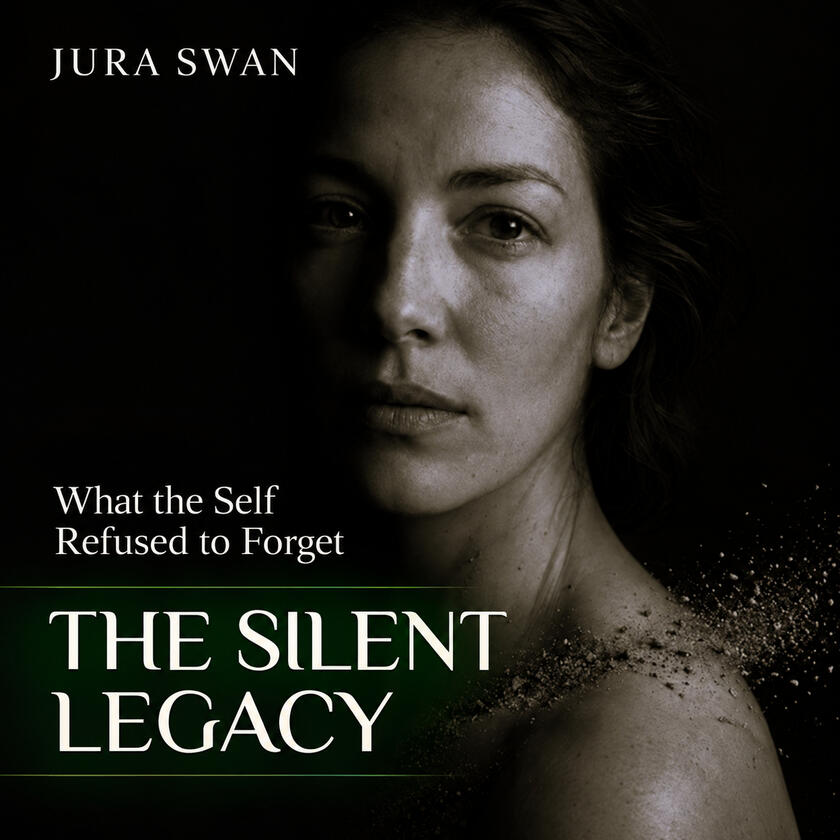

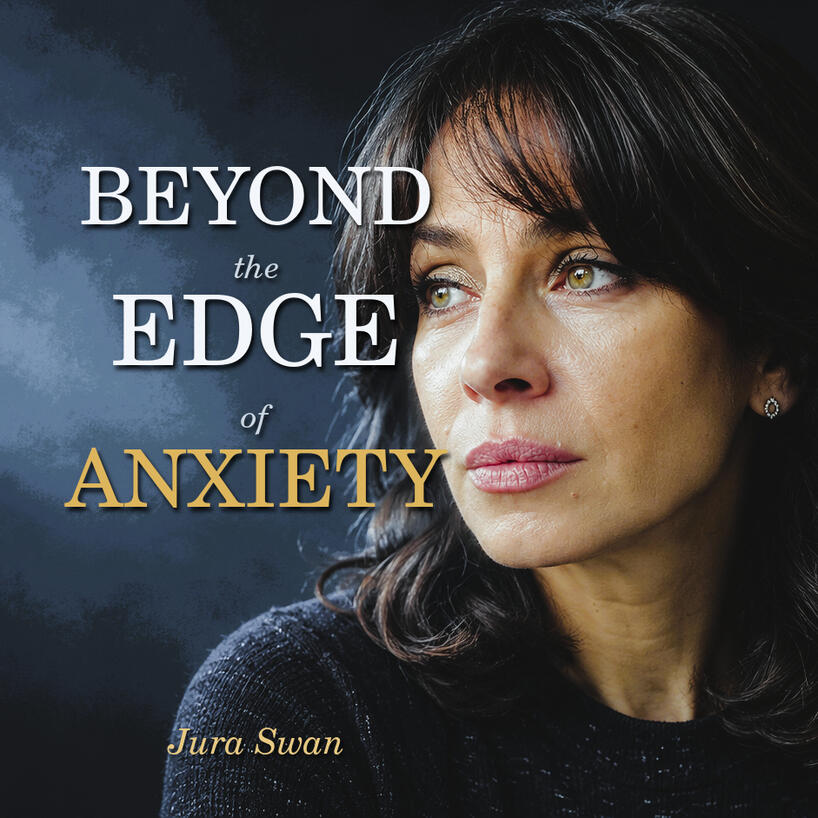
A Note from Jura SwanI have spent much of my life listening for what exists beneath the visible story.
My work began with a question that gradually became impossible for me to ignore: what if the parts of ourselves we most want to change are not evidence of what is wrong with us, but evidence of what once tried to protect us?That question became central to my exploration of emotional memory and fragmentation.
I am a psychodynamic hypnotherapist, author, and mother of five. My background has also taken me through veterinary medicine and many years of observing animals not simply as companions to human life, but as highly perceptive beings whose bodies, boundaries, relationships and responses carry their own forms of intelligence.
Over time, these two worlds began to meet.
In my work with emotional fragments, I became increasingly interested not only in the wound from which a protective response emerged, but in the intelligence hidden inside that response.Attachment may be trying to preserve belonging.
Hypervigilance may be preserving perception.
Distrust may be protecting discernment.
Invisibility may once have protected the right to exist without intrusion.
Sensitivity may carry an extraordinary ability to register what others miss.
The body's resistance may be remembering a boundary that could not once be spoken.This changed the question for me.
Instead of asking only: What happened to this part of us?
I began asking:
What was this part trying not to lose?And perhaps healing begins differently when we stop asking what is wrong with a fragment and become curious about what it has been trying to protect all along.
The animal archetype carries no answer. It carries the memory of what the fragment once knew to protect.The wound is not the subject.
The intelligence that survived it is.Sometimes, recognition is enough to begin remembering.Jura Swan
Copyright ©
2026 Jura Swan